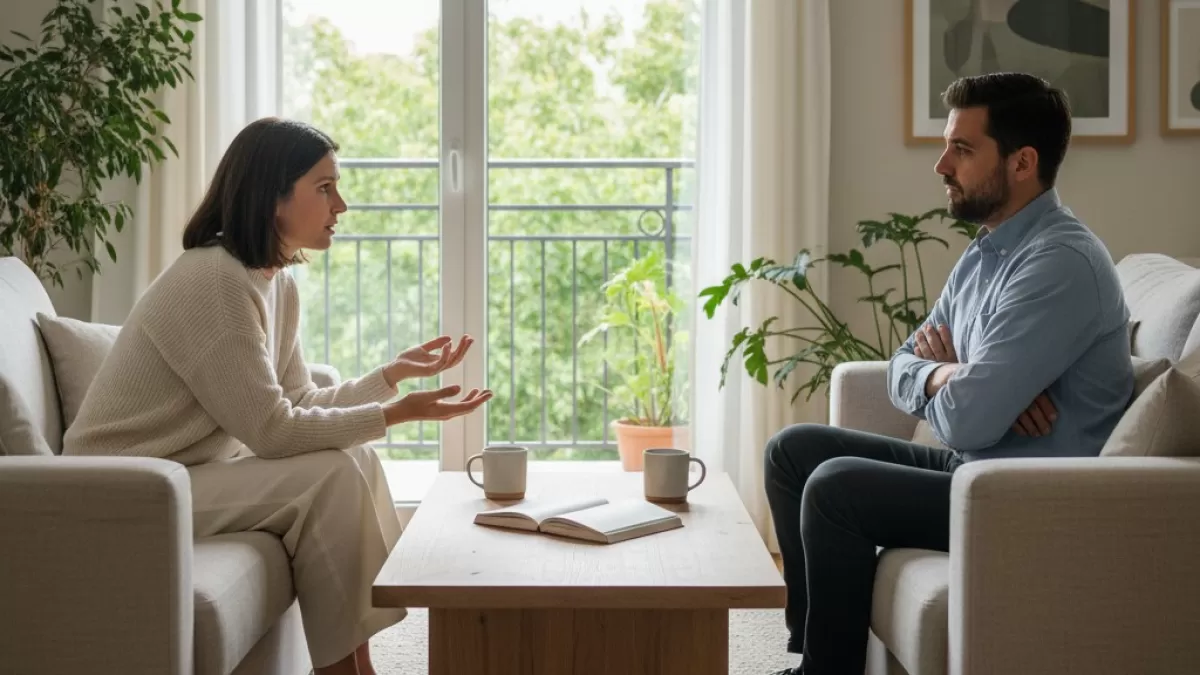
There’s a particular silence that hangs in the car after a partner snaps in a way that feels out of character. Maybe it’s after a long day, the groceries are rolling around in the back, and a small frustration—someone cutting you off in the parking lot—breaks through your partner’s usual calm. The sound of their raised voice surprises you. It’s not that they’ve turned into someone else. It’s that exhaustion has worn down the usual filters.
In relationships, out of character moments tend to show up when the pressures of daily life stack up: relentless work deadlines, late night emails, household chores piling up, or family obligations that won’t pause. It’s easy to think, in those moments, that something deeper is wrong. But often, these reactions are less about hidden truths and more about what strain does to even the gentlest people.
When the Person You Know Acts in a Way You Don’t Expect
Out of character reactions catch you off guard because they break your mental map of your partner. It’s easy to start wondering if you’re missing something, if this is a sign of a bigger issue. But here is the reality: in most long-term relationships, everyone eventually acts in ways that surprise their partner. This isn’t a moral failing. It’s how stress and depletion show up in ordinary people.
These days, with WFH blurring boundaries and commutes eating away at patience, even the most even-tempered partner can lose their thread. The real shock isn’t that the reaction happens—it’s seeing someone you know so well become unfamiliar for a flash. Most of the time, these are moments of depletion, not revelation of some secret character flaw.
Often, these moments pass as quickly as they arrive. The person you love is still there, just stretched thin by life’s demands. What matters is what comes next—how you both move through the aftermath.
Why It Feels So Personal When It’s Usually Not
Couples therapists often find that partners interpret out of character behavior as a sign of distance or hidden resentment, when it’s usually just the overflow of stress. When your partner snaps at the traffic or mutters a frustrated comment under their breath, it can feel personal—even if it’s not about you at all. It’s natural to want to read meaning into these moments, but the real cause is often cumulative strain, not a shift in love or respect.
What makes these moments so unsettling is how they break routine. You’re used to a shared language, a rhythm of small kindnesses, and suddenly the tone is off. Maybe you replay it in your mind later, wondering if you did something wrong. Sometimes, the urge to fix it right away only adds pressure, making it harder for both of you to reset.
Recognizing that out of character reactions usually signal exhaustion (not hidden feelings) can help you approach your partner with more empathy. It doesn’t mean brushing off every harsh word, but it does allow for a little more grace when things go sideways.
Signs You’re Living with Out of Character Moments
- Your partner, usually gentle, snaps at a minor inconvenience after a long week.
- Small disagreements escalate quickly in the evenings, especially after work stress.
- One of you withdraws or goes silent over something that wouldn’t normally bother you.
- Random irritability pops up during shared chores, like cleaning or cooking dinner.
- There’s a new sharpness to your partner’s tone during routine conversations.
- After the moment passes, you both feel unsettled but aren’t sure how to talk about it.
More couples experience these moments than admit it out loud. It’s common to feel isolated when it happens, as if every other couple has things figured out. But behind closed doors, most relationships have their share of unexpected reactions—especially when life gets heavy.
For example, a couple might be prepping dinner late after a draining workday. One partner drops a glass. The other, usually so patient, lets out a sharp sigh and mutters something under their breath. The words aren’t cruel, but the tone is unfamiliar. It lingers as you both finish eating in silence, wondering where it came from.
Micro-Steps to Handle Out of Character Reactions
- Pause before responding—count to ten, breathe, or step away for a moment.
- Check in later, when things are calmer, with a gentle “Are you okay? That seemed tough.”
- Notice patterns: Is this happening more after certain days or activities?
- Offer small comforts—make tea, leave a note, or share a quiet meal together.
- Resist the urge to fix everything right away; sometimes space is the kindest thing.
Pausing is the hardest step, especially if you feel blindsided. The instinct is often to defend, question, or withdraw. But giving yourself even a few seconds to breathe can change the whole direction of the moment. It doesn’t mean ignoring your feelings, just letting the initial heat fade so you can respond instead of react.
One evening, after a stressful day, your partner comes home and seems distant. You notice tension rising as you discuss weekend plans. Instead of pushing, you quietly suggest ordering takeout and sitting together in silence. Later, you share a small laugh over a silly TV show, and the mood softens. Sometimes, the gentlest reset is just letting a moment pass without trying to dissect it immediately.
If this feels like too much today, that’s okay. Even small steps—like quietly making space for each other’s moods—count as progress. Not every moment needs a big talk or a perfect response. Grace shows up in the little things.
Small Ways to Reset After a Tough Moment
- Tonight, when you both walk in the door, offer a 20-second hug before discussing logistics.
- After dinner, sit together on the couch for five minutes without screens—just a quiet check-in.
- If things feel strained, write a quick note acknowledging it (“Long week. I’m here if you want to talk.”) and leave it on their pillow.
- On particularly stressful days, offer to swap a small chore without being asked—just this once.
Here are a few gentle actions that can help break the tension after an out of character snap, even if you’re both tired or unsure where to start:
That Parking Lot Moment: When Gentleness Meets Exhaustion
It’s late, the sky is turning gray, and the parking lot is nearly empty. Groceries are bagged, the car smells faintly of bread and oranges, and your partner, who usually meets rudeness with patience, suddenly snaps at a stranger who cuts too close. The sound echoes, sharp and foreign. You glance over, startled, and see the tiredness in their eyes—the week has been relentless, and this moment was just one too many.
No one says much on the drive home. The radio plays quietly. You notice your partner’s hands gripping the wheel tighter than usual. A strange mix of worry and protectiveness wells up: this isn’t your usual rhythm, but it’s not a mystery either. It’s what happens when ordinary kindness collides with too much strain.
Later, after dinner, the mood softens. The snap wasn’t a window into some hidden side. It was just a sign that even the most patient people have their limits. A small kindness—a hand on a shoulder, a cup of tea—does more to heal the moment than any big conversation could.
When to Reach Out for Extra Help
If out of character reactions become a regular part of your relationship, or if they start to feel hurtful or unpredictable, it may be time to seek extra support. Patterns that leave you or your partner feeling unsafe, anxious, or deeply disconnected are worth talking through with a couples counsellor or a trusted third party.
Sometimes, the bravest step is just saying, “We might need some help figuring this out.” There’s no shame in reaching for support when you’re both worn thin.
Common Questions
It’s natural to feel unsettled after a moment that feels out of character for your partner. These questions come up in many relationships—especially when you’re both tired or overwhelmed. Here’s some gentle relationship advice, grounded in real-life scenarios, for handling those tricky moments.
How do I respond to behavior that seems unlike them?
When your partner suddenly acts out of character—like snapping during a stressful chore—it’s often best to pause and not react immediately. Give yourself a moment to breathe. Later on, when things are calmer, check in gently: “That seemed tough—are you okay?” For example, after a tense dinner where your partner was unusually short, you might offer a cup of tea and sit in quiet company. This shows emotional support without escalating things further.
Should I be worried or give grace?
Most out of character moments are just signs of depletion, not warning signs of deeper issues. If your partner’s sudden behavior change is rare and comes after a hard week, grace is usually the best response. For instance, if your partner gets irritable after a string of late nights at work, consider letting the moment pass and checking in later. Worry is natural, but repeated patterns or any sense of fear are times to look closer and, if needed, seek help.
How do I bring up the moment later without making them feel judged?
Wait for a calm, private time. Start with your own feelings, not accusations. For example: “Earlier, you seemed really stressed and it caught me off guard. Is there anything you want to talk about?” Share what you observed rather than labeling their behavior. In a quiet moment—perhaps while folding laundry together—you can gently ask if anything’s weighing on them. This lowers defensiveness and keeps the conversation open.
Is it fair to hold someone to their out-of-character behavior?
Everyone has moments that don’t reflect their usual self, especially under stress. It usually isn’t fair to judge your partner by a single out of character reaction. For example, if your partner snaps once during an overwhelming weekend, remember their usual pattern of kindness. If these moments become a regular thing, though, it’s worth discussing together. Occasional slips are human, not a measure of your whole relationship.
How do we debrief a moment that startled both of us?
Debriefing works best when you both feel safe and calm. Later that night or the next day, say something like, “That moment surprised me—can we talk about what happened?” Make sure it’s a time when neither of you is distracted or tired. For example, after a surprising argument in the car, you might take a walk together and talk about what led up to it. Focus on feelings, not blame, and try to listen as much as you talk.