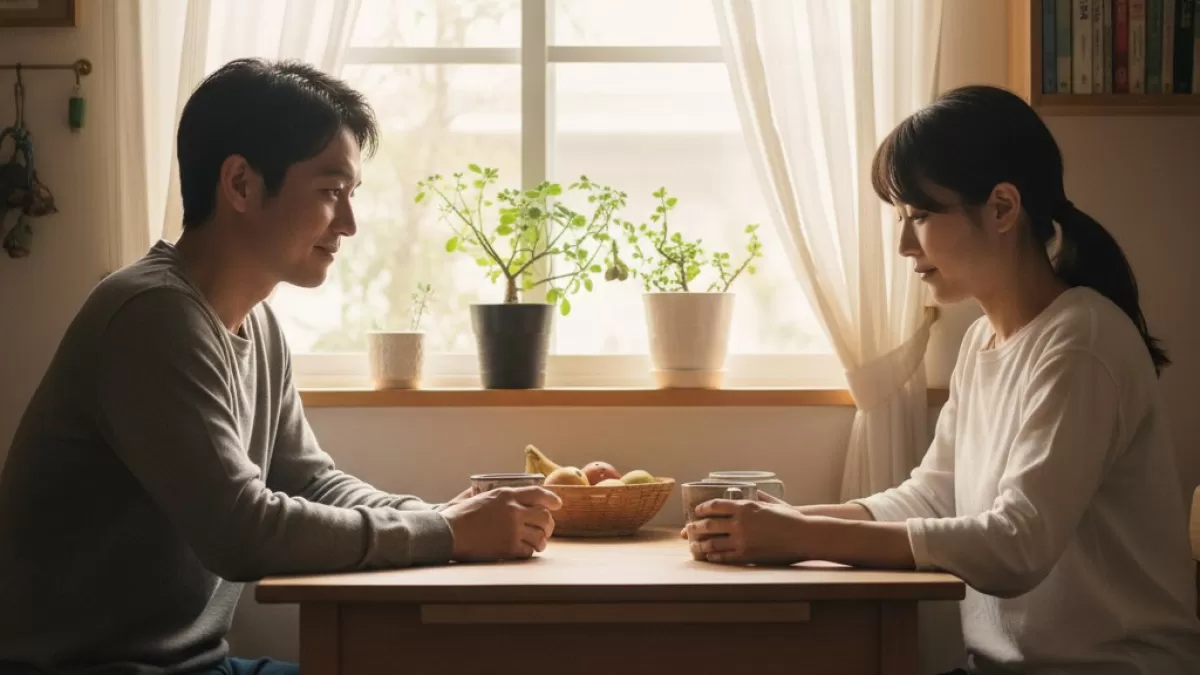
The air feels thick late at night after an argument, the kind where the dishes are still in the sink and words hang between you more than anything said out loud. Understanding each other during disagreements often gets lost in these small, tense moments—right when it matters most. After a long workday, stress from deadlines and family needs can turn a harmless comment into a full-blown misunderstanding. It happens quietly, almost without noticing: voices get sharper, patience wears thin, and suddenly, you’re both speaking but neither feels understood.
Modern relationships carry the weight of overlapping routines—commutes, work-from-home setups, shared digital calendars. There’s not always space for slow, careful conversations. The reality is, understanding each other during disagreements isn't about always agreeing; it’s about feeling seen, even when your needs clash. In many relationships, it's the simple act of softening your tone, or pausing mid-argument to say, “I see why you’re upset,” that stops a heated moment from turning into lasting distance.
Disagreements at Home: How They Actually Unfold
When people talk about conflict clarity couples wish they had, they often think of calm, logical debates. But most disagreements don’t play out that way. Instead, they sound like a disagreement about laundry that suddenly becomes about feeling taken for granted, or a conversation about dinner that turns into an argument about priorities. These days, with so many tasks squeezed into each day, the lines between practical issues and deeper feelings blur fast.
Perspective taking in arguments can feel impossible when you’re running late, hungry, or overwhelmed. You might want to listen, but your mind is still replaying what just hurt you. The tricky part is, both of you usually care about the relationship, but in the moment, it’s easy to lose sight of that shared goal. Disagreement without confusion rarely happens—most couples misread each other’s tone or intent at least once a week.
Why Empathy Feels So Difficult When You’re Upset
Couples therapists often find that the most profound trust is built during mundane logistical tasks, not grand gestures. The challenge with understanding each other during disagreements is that it asks you to step back emotionally right when your nerves are frayed. In the heat of a fight, it’s tempting to focus only on your side, convinced that being heard means winning.
This urge to defend or get your point across is normal. After all, no one likes to feel misunderstood—or worse, dismissed. But empathy doesn’t mean you’re wrong or weak; it means you care enough to notice your partner’s hurt, even when you’re hurting too. That said, it’s hard to remember this when your heart races and your voice is already raised.
Most couples find perspective taking in arguments easier when the stakes feel low. But when old patterns or sensitive topics come up, empathy can feel like a risk. Who wants to soften first when you’re sure you’ve been wronged? The truth is, the moment you pause to acknowledge their feelings, the entire tone often shifts—even if neither of you has a perfect solution yet.
Signs You’re Struggling With Understanding Each Other During Disagreements
- Arguments end with both of you feeling unheard or misunderstood, even when the issue seems small.
- You notice both voices getting louder or colder, rather than calmer, as discussions unfold.
- There’s a repeating cycle of bringing up past disagreements during new ones.
- One or both of you withdraw or go silent for hours (or days) after a fight.
- Apologies feel forced, or you find yourself apologizing just to end the tension—not because you feel understood.
- Minor logistical issues (like chores or schedules) quickly escalate into deeper arguments about respect or priorities.
More couples experience these moments than admit it out loud. It’s common to feel stuck in a loop of mismatched intentions and reactions, especially when life feels busy and time for real connection is limited. Understanding each other during disagreements doesn’t always come naturally, even in loving relationships.
Picture a couple trying to sort out weekend plans. One suggests a family visit, the other wants a quiet day at home. A simple conversation turns defensive after a single offhand comment, and soon, both feel alone in the discussion. It’s often these everyday moments, not the big fights, that signal a lack of conflict clarity couples need to stay close.
Steps to Build Empathy in Heated Moments
- Pause the argument for a thirty-second check-in: ask, “Did I just hurt you?” or “Is there something I’m missing?”
- Lower your voice intentionally when you notice tension rising, even if you still feel upset.
- Reflect back what you heard (“So you feel like I’m not listening when I check my phone?”) before sharing your side.
- Set a time later to revisit the topic if emotions are too high (“Let’s talk about this after dinner when we’re both less tired.”)
- If you see your partner withdraw, gently acknowledge it (“I can see you’re shutting down—do you want to pause for a bit?”)
The most important step is often pausing to name the emotional undercurrent, even if it feels awkward or forced. Many people mistake empathy for agreement, but you don’t have to give up your view to acknowledge someone else’s hurt. The real mistake is waiting for your partner to go first, or assuming softening your tone means losing ground. In practice, the smallest sign that you’re trying to understand can open the door to real resolution.
One night, after a draining commute and a quick dinner, a couple starts bickering about whose turn it is to walk the dog. One person stops, sighs, and says, “I know you’re tired. I am too. Can we figure this out together instead of fighting?” The tension shifts; both sides feel seen, even if the solution is still up for grabs. It’s rarely about the dog walk—it’s about feeling recognized in the chaos of everyday life.
It’s also normal to feel too tired or raw to be the first one to soften. If this feels like too much today, remind yourself that even the smallest effort—like a gentle tone or a short pause—counts. Understanding each other during disagreements is a muscle, not a switch. Give yourself permission to try, fail, and try again.
Start Small When Tension Runs High
It can help to have a few gentle actions you can reach for, especially when you’re both running on empty. These small steps can help you practice disagreement without confusion, even on your hardest days.
- When you both get home, offer a 20-second hug before discussing any issues that came up during the day.
- If you sense a fight brewing, ask for a five-minute break to collect your thoughts before responding.
- During a disagreement, take a deep breath and touch your partner’s arm or hand for just a moment before continuing.
- At the end of the night, check in with a simple question: “Is there anything you wish I’d understood better about today?”
What It Feels Like to Pause and Acknowledge Your Partner’s Point
It’s after dinner, dishes stacked in the sink, both of you winding down on opposite ends of the couch. The earlier disagreement about money still lingers. One of you brings it up again, voice a little softer—nervous, maybe. The other sighs, feeling the old frustration start to rise, but notices the vulnerability in their partner’s eyes.
Instead of repeating your stance, you pause and say, “I hear what you’re saying. I didn’t realize that decision made you feel left out.” It’s quiet for a moment. The conversation slows. Your partner’s shoulders drop just a bit; the edge leaves their voice. Suddenly, you’re not fighting to win, but to understand—both of you feel it.
This kind of pause doesn’t magically fix the original disagreement. But it does something else: it reminds you that you’re on the same side, even when you don’t agree. The room feels lighter. You both breathe a little easier. That’s what understanding each other during disagreements can look like when you reach for empathy in the middle of a fight.
When Extra Support Might Be Needed
If understanding each other during disagreements always feels impossible—if every conversation turns into a battle, or old hurts resurface no matter what you try—it may be time to ask for extra help. Some patterns are so deeply rooted that a few gentle steps at home aren’t enough to shift them.
A couples counsellor, trusted friend, or family member can offer a fresh perspective and support. Relationships don’t have to feel like a constant struggle. Sometimes, reaching out is the bravest and kindest thing you can do for both of you.
Common Questions
Disagreements can feel complicated, especially when emotions run high. If you’re wondering how to keep empathy alive in the middle of a fight, you’re not alone. Here are some practical answers to the questions that come up most often for couples trying to build conflict clarity and real understanding.
How do I show empathy when I am mad?
It’s not easy to be empathetic when you’re angry, but it is possible in small ways. One approach is to use a gentle cue—like saying, “I’m upset right now, but I want to understand where you’re coming from.” Even if your voice is tense, pausing to reflect their feelings shows you care. For example, if you’re arguing about chores after a long day, take a breath and say, “I know you’re tired too. Let’s figure this out together.” Sometimes, just naming your anger and your intent to listen can soften the entire conversation.
Can you disagree and be empathetic?
Absolutely. You can hold onto your own view while still showing empathy for your partner’s feelings. During a disagreement about spending money, for instance, you might say, “I see that you’re worried about savings, even though I feel differently.” This doesn’t mean you’re giving up your perspective. It means you’re letting your partner know their emotions matter to you, even in the middle of conflict. That small acknowledgment can keep the disagreement from feeling like a personal attack.
How does empathy stop fights?
Empathy interrupts the cycle of defensiveness. When one person pauses to see the other’s pain or frustration, it lowers the emotional temperature. For example, during an argument about weekend plans, one partner might notice the other’s disappointment and say, “I can tell this matters to you.” That moment of recognition often slows things down, making it easier to find a solution instead of escalating the fight. Empathy helps both people feel heard, which is usually what’s needed to move forward.
What if my partner refuses to show empathy back?
It can feel lonely when you’re reaching out and your partner stays guarded or cold. In these situations, focus on the small things you can control—like maintaining a gentle tone or setting boundaries around hurtful words. For example, after a heated disagreement about family visits, you might say, “I want us to work through this, but I need to feel respected too.” Sometimes, consistent empathy on your end gradually encourages your partner to soften, but if things stay stuck, seeking outside help may be useful.
How do we pause a fight before it gets out of hand?
Setting a clear pause can make a big difference, even if it feels awkward at first. Agree on a phrase—like “timeout” or “let’s hit pause”—to use when things heat up. During a disagreement about household tasks, one person might say, “Let’s take five minutes apart and come back.” The break lets both people cool off and gather their thoughts. It’s normal to worry this might make things worse, but most couples find that even a short pause can prevent words you’ll both regret.