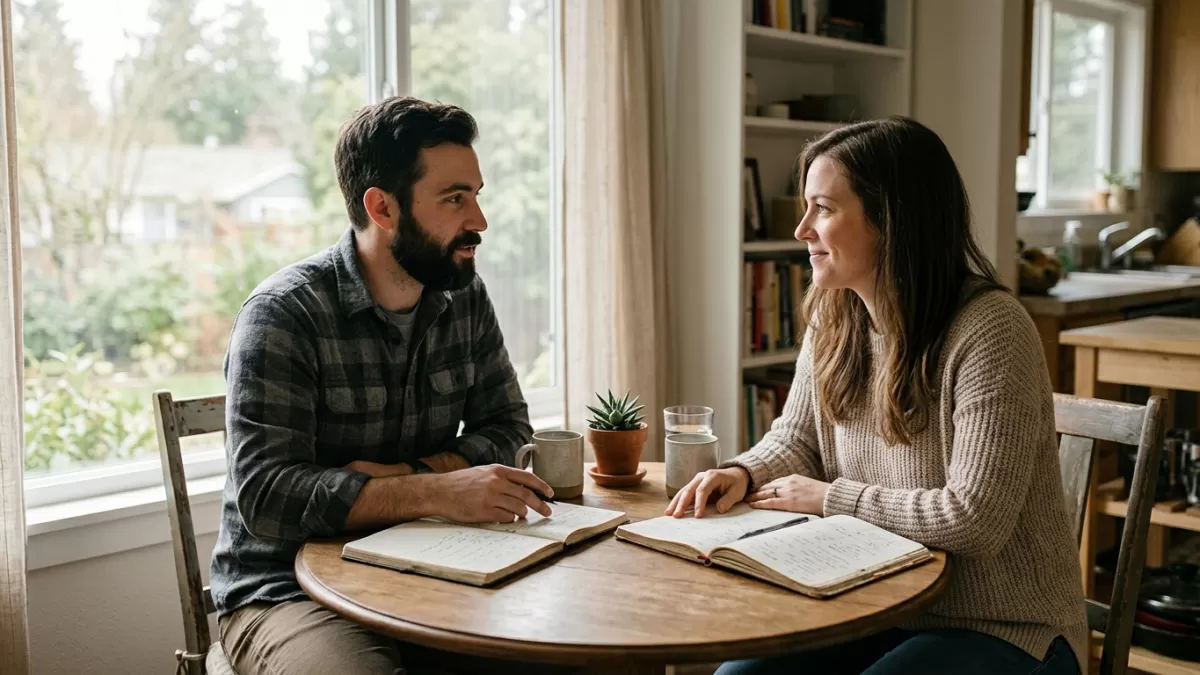
When you think about what holds people together over the years, you might picture love, laughter, or maybe even shared memories. But there’s another piece that quietly shapes lasting relationships: respect. It’s not always flashy or loud, but it’s there in everyday choices and words. Respect is like the gentle glue that helps connection last, even when things get tough. Let’s talk about what this really means in regular life and how you can build it, step by step.
Respect: More Than Just a Word
These days, respect can sound like a big, formal idea. Maybe you hear it and think of school rules or what you owe a teacher or boss. But in a close relationship—whether it’s with a partner, friend, or even a family member—respect is a living thing. It’s the way you treat each other on a daily basis. It’s listening, even when you disagree. It’s letting someone be themselves, not trying to change them.
Sometimes, respect is simply not interrupting when someone else is talking. Other times, it’s standing up for them, or giving them space when they need it. Respect shows up in small moments and big decisions. It’s about seeing the other person as equal and worthy, no matter what’s happening around you.
Why Respect Matters for Long-Term Relationships
When you’re just starting out with someone, everything can feel exciting and new. Over time, though, routines settle in. Maybe you see each other’s annoying habits, or life gets busy. This is when respect really matters. If you keep respecting each other, your connection grows stronger—like a tree that keeps building roots.
Disagreements are normal, and no couple or friendship is perfect. But if you still treat each other with kindness, even during arguments, it’s easier to work through problems. People who feel respected are more likely to open up, show their true selves, and trust that they won’t be judged or dismissed.
Everyday Signs of Respect
- Listening fully: Putting down your phone, making eye contact, and actually hearing what the other person says.
- Being honest—but gentle: Telling the truth, but thinking about how your words might land.
- Apologizing when you’re wrong: Admitting mistakes and owning up, without blaming or making excuses.
- Supporting dreams and goals: Even if they’re different from yours, cheering for what matters to your loved one.
- Protecting privacy: Not sharing secrets or embarrassing stories unless you have permission.
- Being on time: Showing that their time and plans are important, too.
- Not using mean words: Avoiding name-calling or insults, even in anger.
You don’t have to be perfect every day. But small, steady actions add up. Often, it’s these little things that make people feel safe and valued over the long run.
How to Build Respect—Even When It Feels Hard
Sometimes, respect comes easily. Other times, you might be tired, frustrated, or just having a rough day. Building respect is a choice you make again and again. Here are a few gentle reminders that can help:
- Pause before reacting: If you’re upset, take a breath. Giving yourself a moment can keep things from getting out of hand.
- Remember the good: Think about what you appreciate in the other person, especially when you’re annoyed.
- Use “I” statements: Try to talk about your feelings and needs, instead of blaming (“I feel hurt when…” instead of “You always…”).
- Ask questions: If you don’t understand why someone did something, ask instead of assuming.
- Practice forgiveness: Letting go of small mistakes makes it easier for both of you to move forward.
Respect doesn’t mean you have to agree on everything. It’s about treating each other with basic decency, even when you’re not on the same page.
Repairing Respect When It’s Been Damaged
No relationship is perfect, and sometimes respect slips. Maybe you said something you regret or ignored your partner’s feelings. The good news is, most relationships can heal if both people are willing to try. Here’s how you might start:
- Admit what happened—without excuses.
- Say you’re sorry, and mean it.
- Listen to how the other person feels about what happened.
- Ask what you can do to make things better.
- Take small steps to rebuild trust, even if it’s slow.
It can feel awkward at first, but real respect means being willing to learn and grow. Sometimes, these tough moments make your connection even stronger in the end.
Respect and Modern Life
These days, life can get busy and sometimes overwhelming. With work, school, social media, and family, it’s easy to let respectful habits slide. Maybe you find yourself distracted when someone’s talking or you rush through conversations because you’re tired.
It helps to make respect a daily habit. This might mean putting away your phone during meals, making time for one-on-one talks, or setting reminders to check in with your loved ones. Little routines can help you both feel noticed and cared for, even on the busiest days.
With technology, respect also means being mindful about what you share online—photos, messages, or even just stories about your relationship. If you’re not sure, it’s always okay to ask your partner or friend before posting.
Teaching and Modeling Respect for the Next Generation
Respect isn’t just something for couples or close friends. If you’re a parent, big sibling, or mentor, you can show young people what healthy respect looks like. This doesn’t mean being strict or demanding. It’s about treating kids and teens the way you want to be treated. For example:
- Listening to their opinions, even if you disagree.
- Explaining your decisions, instead of just saying “because I said so.”
- Admitting when you’re wrong and apologizing.
- Encouraging them to speak up about their own boundaries.
When kids see respect in action, they learn how to give it and expect it from others. This helps create a ripple effect—healthy, respectful relationships that last for years to come.
Respect as an Ongoing Practice
Respect isn’t a one-time thing. It’s something you practice a little bit each day, like brushing your teeth or watering a plant. Some days, it’s easy. Other days, you have to remind yourself to slow down, listen, or apologize. That’s normal and okay.
When both people in a relationship keep choosing respect, it builds a foundation that lasts. You feel safe, accepted, and valued for who you are. And when hard times come around—as they always do—you know you can get through them together. That’s the kind of strength that keeps connections going, year after year.