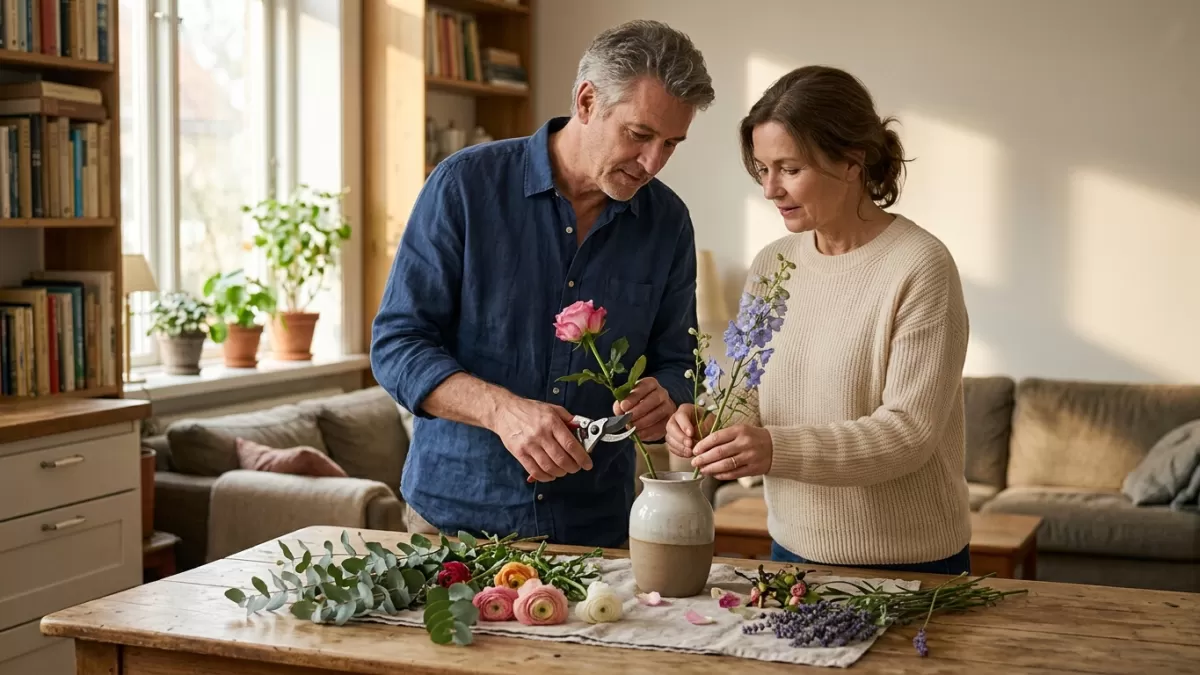
Over time, relationships naturally change. The early days might be full of butterflies, long talks, or little surprises left on pillows. But as you share more years together—paying bills, handling chores, maybe raising kids or caring for family—it’s easy for that spark to settle into something softer and quieter. One thing, though, should never fade: the basic respect you show each other. No matter how familiar you become, or how many years go by, treating one another with dignity is the thread that holds everything together.
Why Respect Matters, Even When Love Changes
That wild, passionate love at the start of a relationship often shifts into a steady, everyday partnership. Maybe you know every one of their quirks or you’ve seen each other at your absolute worst. Still, the foundation of your connection isn’t just passion or shared memories—it’s how you treat each other in small, daily moments. Respect is what lets love feel safe, even on days when you’re both tired, stressed, or just not at your best.
The Power of Simple Manners
It might sound old-fashioned, but saying "please" and "thank you" really does matter. These simple words aren’t about being formal—they’re about showing that you see and value each other. When your partner makes you a cup of tea or folds the laundry, pausing to thank them is a way of saying, "I don’t expect this, and I appreciate you." This habit sends a quiet message: your efforts, no matter how routine, are noticed.
Even after twenty years together, these little courtesies can keep resentment and frustration from building up. Life gets busy, and it’s easy to slip into just getting things done. But when you keep using those small, respectful gestures, you remind each other that you’re equals—partners, not roommates or coworkers.
How Taking Each Other for Granted Happens
Most couples don’t mean to stop noticing each other. Often, it starts with comfort. You settle into routines. You trust that your partner will be there, so you stop reaching for those gentle words. Or maybe there’s just so much to do—work, kids, bills—that you’re both running on autopilot. The danger is that, slowly, gratitude gets replaced by expectation. "Of course they’ll do the dishes—they always do." Over time, this can wear away at the closeness you built together.
Everyday Ways to Show Ongoing Respect
- Say thank you for everyday things. Whether it’s taking out the trash or picking up groceries, showing appreciation never gets old.
- Use please, even for small requests. A "Could you please help me with this?" feels warmer than a simple "Help me."
- Listen when your partner talks. Put your phone down, make eye contact, and really hear them—even if it’s just about their day.
- Apologize when you’re wrong. Nobody gets it right all the time. Saying "I’m sorry" shows humility and care.
- Respect their space and opinions. You don’t have to agree on everything, but you can be kind about your differences.
- Value their routines and habits. Even if you don’t understand why they organize the spice rack a certain way, it’s important to them—and that matters.
Making Respect a Daily Habit
Building respect into your everyday life doesn’t have to be a big production. It’s about those little choices you make, especially when you’re tired or frustrated. Maybe you pause before snapping when something goes wrong, or you check in before making plans that affect both of you. These are small acts, but together, they create a climate where love can keep growing—even on tough days.
What If You’ve Let Respect Slip?
If you’re reading this and thinking, "We don’t really do these things anymore," you’re not alone. Life gets busy, and habits change. The good news? It’s never too late to bring more respect into your relationship. Try picking one small thing—like saying thank you for dinner tonight—and see how it feels. Often, little shifts like these can open the door for bigger changes later on.
Common Questions
Over the years, I’ve heard a lot of people wonder about how respect actually plays out in long-term relationships. If you’re curious about why manners matter or how to keep dignity alive after years together, you’re definitely not alone. Let’s look at some questions that come up often—and talk through some real-life examples.
Do we still need to use manners after so long?
Yes, absolutely. Even if you’ve known each other for decades, manners aren’t just for strangers or new friends. They help keep your relationship feeling safe and appreciated. For example, imagine you’re both home after a long day. Your partner makes dinner like they usually do. You could just eat and move on, but saying, "Thanks for dinner—it smells great," can lift their mood and remind them their effort is valued. These little words make daily life feel kinder and less routine, no matter how many years you’ve been together.
Why do we take each other for granted?
This usually happens slowly, often without anyone noticing. When you live and work together for years, routines form and you get comfortable. You might start to assume the other person will always pick up the slack, remember the details, or handle certain chores. Sometimes, exhaustion or outside stress makes it even harder to notice the good things your partner does. The important thing is to catch yourself—when you realize you’re expecting rather than appreciating, it’s a great moment to pause and say thank you, or just notice the effort your partner is making.
How do we maintain basic dignity?
It usually comes down to treating your partner like a person first—not just as a spouse, roommate, or co-parent. This means speaking kindly, avoiding harsh words (even when you’re mad), and respecting personal boundaries. For example, if you’re irritated because your partner forgot to do something, you might feel like snapping. But you can choose a calmer approach: "Hey, I noticed the trash didn’t go out—can you help with that?" This keeps the conversation respectful and avoids hurting feelings. Over time, these small, thoughtful choices help keep dignity alive, even in the busiest seasons of life.
What if my partner doesn’t notice or appreciate my efforts?
This can feel discouraging, but it’s not uncommon. Sometimes, people get so caught up in their own stresses that they stop noticing what’s right in front of them. If you’re feeling unappreciated, try gently letting your partner know: "I’ve been trying to keep up with the laundry—sometimes it would mean a lot to hear a thank you." Most people don’t want to hurt their loved ones; they just need a little reminder. And don’t forget to model the behavior you’d like to see—often, appreciation is contagious.
Can respect really make a difference if we’re already struggling?
It can. While it won’t fix every problem, bringing more respect into your conversations and routines can ease tension and build a stronger foundation. For example, if arguments are happening often, start by focusing on how you talk to each other. Simple things like not interrupting, listening with your full attention, or acknowledging the other person’s feelings can help break negative patterns. Over time, these respectful habits can make it easier to solve bigger issues together.