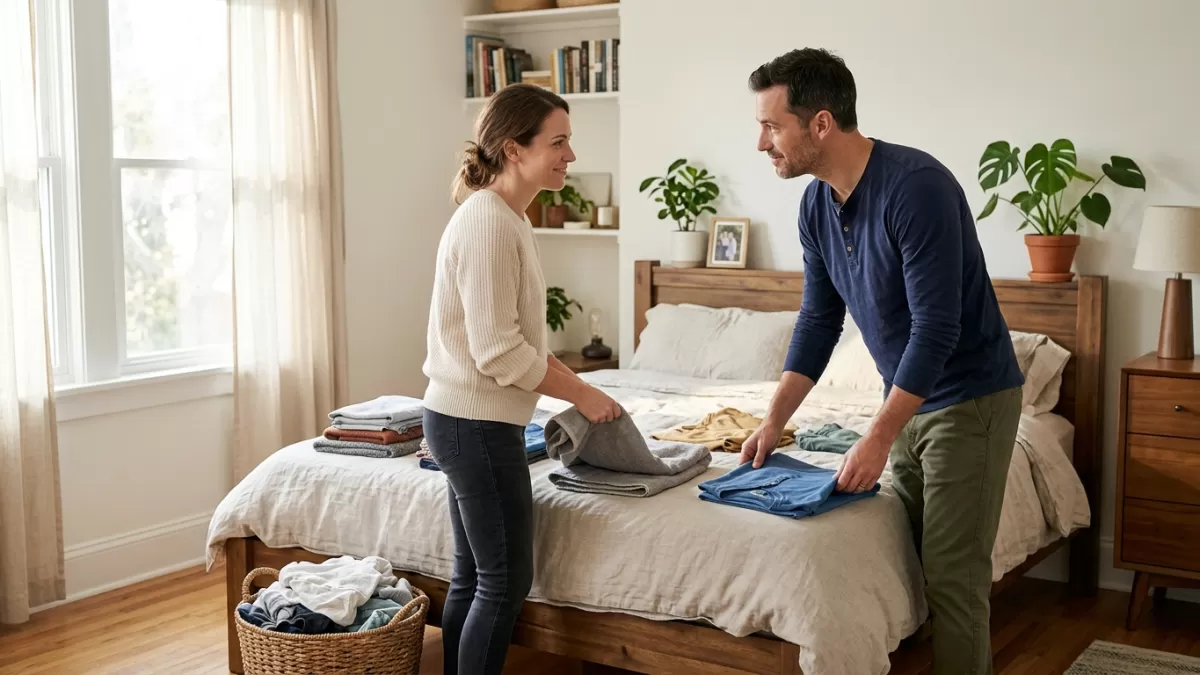
There’s something special about coming home and feeling your shoulders finally drop. Maybe you’ve noticed it after a tiring day—when you step through the door, your body seems to understand: This is a place where you can breathe. These days, with all the pressures of school, work, and life in general, having a shared space that feels safe and steady isn’t just a nice extra. It’s something that quietly shapes your stress levels, your energy, and even your closest relationships.
What Does It Mean to Feel Grounded Together?
Emotional grounding isn’t just about being calm inside your own head. When you and someone you love share a space—whether it’s a tiny apartment or a whole house—you often start to notice how your moods and comfort are connected. There’s a word for this: co-regulation. It’s when your nervous system responds to another person, and theirs responds to you. If you’re both feeling safe, steady, and cared for, you create a kind of shared emotional “home base.”
This doesn’t mean every day is perfect. But it does mean your environment can help you recover from stress, arguments, or worry more quickly. It’s less about grand gestures and more about a hundred small things: the way you greet each other, the feeling of your favorite blanket on the couch, even the smell of dinner cooking. All of these moments tell your body and mind, “You can relax here.”
How a Shared Home Physically Calms Us
When you walk into a place that feels safe and predictable, your body actually responds. Your heart rate can slow down. Your muscles might let go of some tension. This isn’t just your imagination—it’s your nervous system picking up on signals that things are okay. For many people, having a home that’s steady and familiar is one of the clearest ways to get this kind of physical relief.
Think about it: If you know where everything is, if the lighting is soft in the evenings, or if you’re greeted with a smile or a simple “hi,” your brain gets the message that you’re not in danger. When both you and your partner feel this sense of safety, it creates an environment where you can both recover from the outside world. Over time, this predictability means your home becomes a place where your stress naturally starts to melt away—even before you’ve had a chance to talk about your day.
The Little Habits That Build Shared Stability
It’s easy to think that emotional security comes from big talks or huge efforts, but often, it’s the small routines that matter most. Maybe you have a habit of making tea together before bed, or you always say good morning with a quick hug. These predictable acts are like anchors, helping both of you feel steady even when life is chaotic.
- Regular check-ins: A simple “How was your day?” or “Do you need a minute to yourself?” can go a long way.
- Shared spaces: Keeping common areas tidy together or choosing a favorite spot to relax can make your home feel like a team effort.
- Soothing rituals: Evening walks, cooking together, or playing music you both enjoy can signal to your bodies that it’s time to wind down.
None of these need to be perfect. What matters is that they keep showing up, day after day, building a sense of trust and normalcy that both of you can rely on.
When Life Gets Busy (or Messy)
Modern life is stressful for almost everyone. There are days when the house is a mess, someone’s in a bad mood, or you barely have time to say more than a few words to each other. That’s normal. Emotional grounding doesn’t mean you never feel anxious or upset—it just means you have a safe space to return to.
If you’re short on time, it might help to pick one small thing you can do together, even if it’s just sitting quietly in the same room for a few minutes. Sometimes just knowing you’re not alone is enough to help you both settle down. And if things feel tense, it’s okay to talk about what you need to feel more comfortable or supported. Often, being honest about stress is the first step in making your shared space feel like a real refuge again.
How Shared Environments Heal Daily Stress
It’s amazing how much your surroundings can help you recover from a tough day. When you both treat your home like a place of comfort—not just a place to crash—you’re actually helping each other handle stress better. For example, maybe you light a candle, put on soft music, or keep a favorite snack around. These aren’t just nice gestures; they’re gentle reminders that you care for each other’s well-being.
Some couples and roommates find it helpful to make little “reset” routines for tough days—a favorite meal, a movie night, or just time to vent without judgment. The point isn’t to fix every problem, but to help your nervous systems remember: you’re safe, you’re supported, and you don’t have to handle everything alone. Over time, these shared habits can make your home feel like a true place of healing, not just shelter.
When One Person Feels Unsettled
Sometimes, one partner or roommate might feel more stressed or anxious than the other. This is really common, especially these days. The key isn’t to pretend everything’s fine, but to check in with each other. If you notice your person seems on edge, you might ask, “Is there anything I can do to help you feel more comfortable right now?” Even just sitting nearby and being quietly present can make a difference.
It’s also okay to need some space yourself. If you’re the one who’s feeling off, it can help to share that gently—maybe with a quick text saying, “I need a little time to decompress, but I’ll be back soon.” Letting each other know how you’re feeling can make the whole home environment feel more stable and respectful, even on hard days.
Making Your Shared Space More Calming
You don’t need fancy furniture or a perfect apartment to create a sense of grounding. Often, it’s about being intentional with the space you have. Maybe you find a corner for a cozy reading chair, keep a few plants, or agree to keep the entryway clear so it’s easier to walk in and relax. Talk together about what feels calming for both of you. Is it soft lighting? A certain scent? Quiet music? The goal isn’t to impress anyone, but to set up your space so you both feel welcomed and soothed as soon as you walk in the door.
Sometimes, just the act of working together—choosing where to put things, deciding what routines feel best—can help you both feel more connected and settled. Your home becomes a team effort, and that shared sense of purpose can be just as grounding as any physical change.
Common Questions
Building a calming, shared environment often brings up practical questions. You might wonder how much your space really affects your mood, or why being with a certain person makes you feel instantly better. Let’s talk through some of the things people often ask me about making home feel more stable and safe for both partners.
How does a home make us calm?
A home can help us feel calm because it’s full of familiar things and routines. Your brain likes predictability—it helps you feel safe. When you know what to expect, your body doesn’t have to stay on high alert. For example, if you always put your keys in the same spot and have a favorite chair to sit in, your mind gets little signals that things are in order. If your partner greets you with a smile or a hug, your body often releases calming hormones, like oxytocin, which lowers stress. Over time, these patterns add up, and your home starts to feel like a place where you can truly rest.
Why do I relax the moment I see them?
Seeing someone you trust can have a real physical effect on your stress levels. When you spot your loved one after a long day, your brain recognizes a safe person and often signals your body to relax. Think of it like an “all clear” message to your nervous system. You might notice your breathing slow down, your shoulders drop, or even a little smile that you can’t help. This is co-regulation in action—your bodies are wired to help each other feel better, just by being together. If you’ve built up trust and comfort over time, these moments become even more powerful.
Can shared space heal stress?
Shared space can’t make all your problems disappear, but it can help you recover from stress more quickly. When you and your partner work together to create routines, keep the space tidy, or just check in with each other, you’re signaling that you’re both safe here. For example, if you’ve had a tough day, being able to curl up on the couch with your person, or even just share a quiet meal, helps your body shift out of “fight or flight” mode. Over time, these little moments can add up to real healing. Just remember, it’s normal to have ups and downs—what matters is that you keep coming back to those shared habits and routines that make you both feel steady.