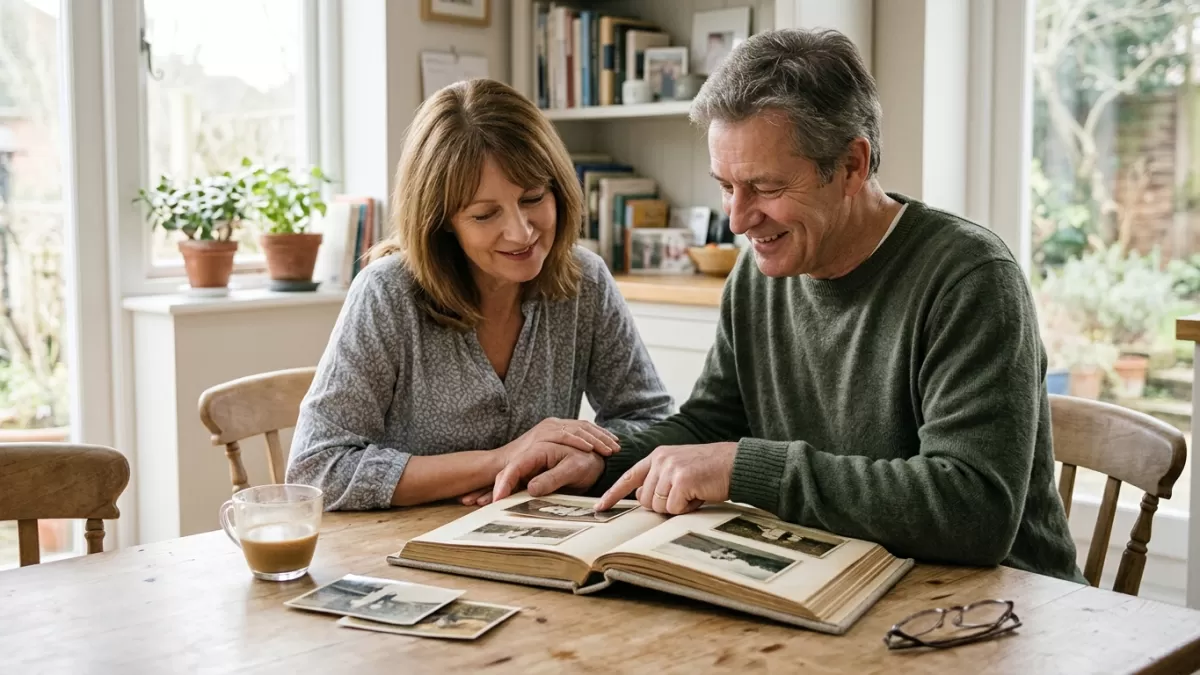
Long-term companionship often brings a gentle kind of comfort that’s hard to describe until you’ve felt it yourself. These days, life can feel busy and unpredictable, but being with someone who knows you deeply brings a steady sense of ease. If you’ve ever wondered why long-standing connections feel different—and often safer—than newer ones, you’re not alone. Let’s walk through what emotional ease really means in a lasting relationship, and how you might recognize it in your own life.
What Is Emotional Ease?
Emotional ease is that soft, peaceful feeling you get when you’re with someone who truly understands you. It’s the quiet confidence that you can be yourself, flaws and all, without worrying about being judged. In a world where people often feel pressure to put on a brave face, having a companion who accepts your moods and quirks can feel like a breath of fresh air. Emotional ease isn’t about perfection; it’s about feeling safe enough to show your real self, even on tough days.
How Time Builds Comfort
When you first meet someone, there’s often excitement, but also a bit of nervousness. You might wonder what they think of you, or worry about making mistakes. Over the months and years, those worries usually soften. Shared routines, inside jokes, and even little arguments can help you both learn how to handle each other’s moods and needs. The longer you spend together, the more you both know how to help each other feel calm, and that creates a kind of comfort that’s hard to rush.
- You learn each other’s habits—like what calms them down after a hard day.
- You build trust that you’ll stick together through ups and downs.
- Apologies and forgiveness often get easier, since you know your bond can handle mistakes.
Routines That Create Safety
It might sound simple, but daily routines play a big part in emotional ease. Maybe you share a cup of tea in the mornings, or text a quick goodnight if you’re apart. These habits send a quiet message: "I’m here, and you matter to me." Over time, even small rituals can build a safe space where both of you can relax. If routines get interrupted, you might notice a little tug of discomfort—that’s how much these small acts matter.
- Regular check-ins, like asking about each other’s day, help you stay close.
- Shared chores or hobbies can make everyday life feel more connected.
- Celebrating small wins together (like finishing a hard project) adds to your sense of teamwork.
Knowing You’re Accepted
One of the biggest gifts of long-term companionship is the feeling that you’re accepted, even on less-than-perfect days. Maybe you have a habit that annoys most people, but your companion just laughs or shrugs it off. Maybe you’ve shared things you’re embarrassed about, and they listened without judging. This acceptance doesn’t mean ignoring problems, but it does mean knowing you’re cared for, even when you’re having a rough time.
- Open conversations about feelings become less scary.
- There’s less pressure to hide struggles or pretend you’re okay when you’re not.
- You both learn to encourage each other during setbacks.
Handling Disagreements with More Ease
All relationships have disagreements, but long-term companions usually get better at handling them. You may notice that arguments don’t feel as dramatic as they once did. Often, you both know what helps the other person calm down, and you trust the relationship can survive a few tense words. With time, you learn that it’s okay to disagree, as long as you’re kind and willing to listen.
- You both remember past arguments you got through, which helps you worry less about the current one.
- It’s easier to apologize and move on, because your connection feels solid.
- Sometimes, you can even laugh about disagreements later, which makes them feel less heavy.
Sharing Silence and Space
In newer relationships, silence can sometimes feel awkward. But in long-term companionship, comfortable silence can be its own sign of ease. You might sit together reading, or just enjoy a quiet meal without needing to fill every moment with conversation. This kind of peaceful togetherness means you don’t have to perform or entertain—you can just be. Giving each other space doesn’t mean growing apart, but trusting that the bond is strong enough to handle some quiet time or solo activities.
- You don’t feel pressured to "always" talk; silence feels natural.
- Both of you respect when the other needs alone time.
- Reuniting after some space often feels warm and reassuring.
Weathering Life’s Changes Together
Long-term companionship isn’t just about the easy days. Sometimes, life throws surprises—big moves, new jobs, health scares, or family shifts. When you’ve spent years together, you often develop ways to face these changes as a team. There’s a sense of "we’ll figure it out together," which can take away some of the fear and pressure. This shared resilience is one of the quiet strengths of long-term bonds.
- You remember past challenges you handled together, which gives you confidence for the future.
- Supporting each other during tough times brings you closer.
- Even when things are uncertain, you know you’re not alone.
Small Acts That Keep the Ease Alive
Emotional ease isn’t just something that happens on its own—it grows through small, everyday actions. These don’t have to be grand gestures. Often, it’s the little things—like a kind word, a shared smile, or a gentle touch—that remind you both of your connection. If you want to keep the comfort alive, try showing appreciation, listening with patience, or just being there after a long day. Simple kindness, shown over and over, is what helps emotional ease last for years.
- Say thank you, even for the little things.
- Make space for laughter and playfulness, no matter how busy life gets.
- Remember that caring for each other is an ongoing choice, not just a feeling.
If you’re lucky enough to have a long-term companion, or if you’re hoping to build something lasting, know that emotional ease is something you can grow together. It’s not about being perfect—it’s about being present, showing care, and letting comfort build, one day at a time.