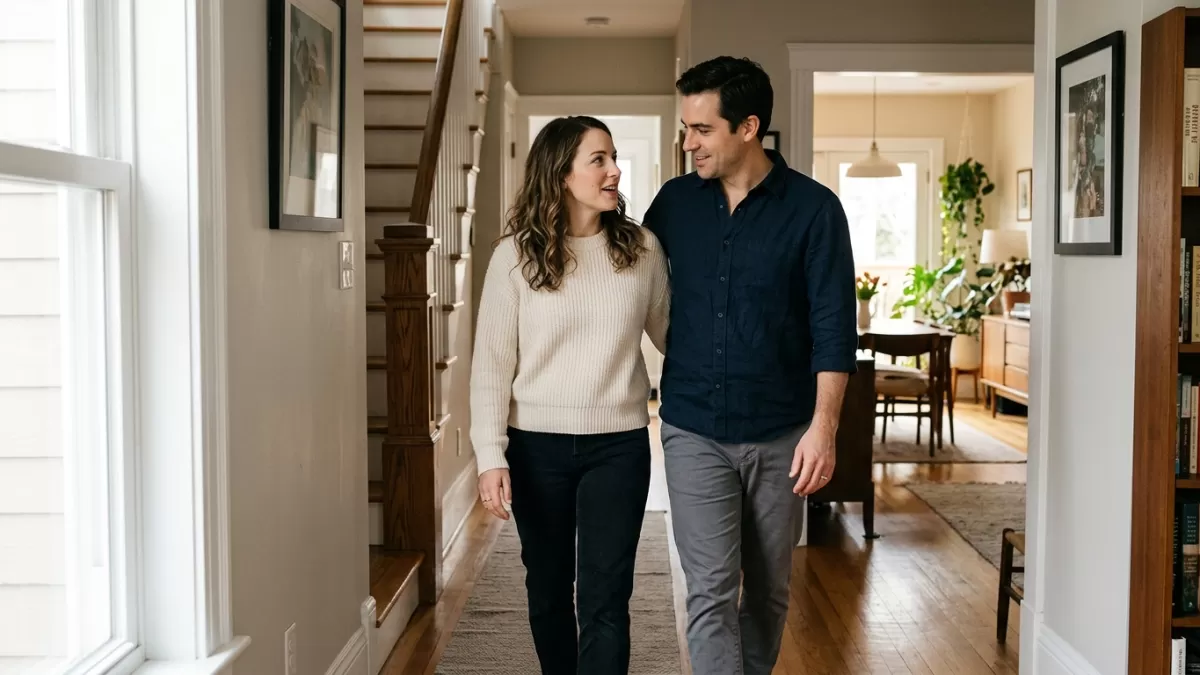
There’s something about coming home after a long day and being greeted by someone who cares about you. That feeling of warmth, acceptance, and belonging is what many of us are truly looking for in our relationships. Affection isn’t just about hugs, kisses, or sweet messages—it’s about feeling safe, understood, and valued for who you are. If you’ve ever wondered why some affection feels deeper or more comforting, you’re not alone. Let’s talk about affection that feels like home, and how you can invite more of it into your everyday life.
What Does "Home" Feel Like in a Relationship?
When people talk about "home" in the context of relationships, they’re usually not talking about a physical place. Instead, it’s a feeling—a sense of being accepted, loved, and able to be yourself. These days, life can feel pretty hectic, and it’s easy to get caught up in routines. But when you find someone whose affection feels like home, you often notice:
- You can relax and let your guard down.
- Small moments together feel meaningful.
- You don’t feel pressured to impress or perform.
- Your quirks and moods are met with patience.
- There’s a quiet understanding, even in silence.
These feelings aren’t just about grand gestures—they’re about the comfort and trust built over time.
Why Affection Feels Like Belonging
At its heart, affection is about making someone feel wanted and secure. It’s not always about saying "I love you" or giving lots of hugs (though those are nice too). Often, it’s the little ways someone shows they care—like remembering your favorite snack or checking in after a hard day. These actions send a message: "You matter here."
This kind of affection is what gives us a sense of belonging. It tells us we’re not alone, that we have a place in someone’s life. Especially during times when you might feel out of place in other areas—school, work, or even online—it can be a relief to have someone who simply accepts you.
Everyday Actions That Build "Home"
Grand romantic gestures might make for good movie scenes, but in real life, affection that feels like home usually grows in small, everyday ways. Here are some ideas that you might find helpful:
- Listening—really listening: Giving your full attention, even when the conversation is simple or repetitive.
- Gentle touch: A hand on the shoulder, a squeeze of the hand, or a quick hug can be grounding.
- Checking in: Sending a message just to see how someone’s doing, without needing anything in return.
- Remembering details: Mentioning something your person shared weeks ago shows you care.
- Making time: Prioritizing even a few minutes together, especially during busy times.
- Using kind words: Complimenting, encouraging, or simply saying you’re glad someone is there.
These actions may seem small, but over time, they create a strong sense of comfort and belonging.
Creating a Safe Space for Each Other
Feeling at home with someone means you feel safe—emotionally and sometimes physically. It’s not always easy to create this kind of space, especially if you’ve been hurt before or if you’re just starting to get close to someone. But you can usually tell when a relationship is moving in this direction. You might notice:
- It’s okay to talk about hard things, without fear of judgment.
- You feel supported, even when you make mistakes.
- There’s a sense of mutual respect for each other’s boundaries.
- Apologies are given and accepted when needed.
Building this kind of safe space often takes time and patience from both people. If you’re not there yet, that’s okay. These things usually grow slowly, through honest conversations and small acts of care.
Affection and Belonging Across Different Relationships
Affection that feels like home isn’t only about romantic partners. It can also show up in close friendships, with family, or even with pets. Each relationship is unique, and the ways you show (and receive) affection may look different. For example:
- Friends: Sharing inside jokes, being there during tough times, celebrating each other’s wins.
- Family: Cooking together, sharing stories, or just watching TV side by side.
- Pets: The comfort of a pet curling up next to you, or the gentle way they greet you at the door.
Feeling at home means feeling like you belong, no matter what the exact situation looks like. If you’re not finding this feeling in one area, it’s okay to look for it in another.
When Affection Feels Unfamiliar or Uncomfortable
Not everyone grew up with affection that felt safe or comforting. If you find it hard to accept kindness or you’re unsure how to offer it, you’re definitely not alone. Sometimes, affection can feel awkward or even stressful. These feelings are valid—especially if you’re still figuring out what feels good for you.
It might help to start small. You could practice saying something kind to a friend, or notice how you feel when someone does something thoughtful for you. Over time, as you build trust (with others and with yourself), affection can start to feel more natural. Remember, there’s no right or wrong way to experience these feelings—just what works for you.
Tips for Inviting More "Home" Into Your Relationships
If you’re hoping to create more of that warm, belonging feeling in your life, here are a few gentle suggestions:
- Be honest about your needs. Let people know what makes you feel cared for—even if it feels awkward at first.
- Notice and appreciate the small things. Say thank you, or let someone know you noticed their effort.
- Make space for others to be themselves. Accept their quirks and moods, just as you hope they’ll accept yours.
- Stay patient. Building trust and a sense of home takes time, and it’s normal for it to feel a bit uncertain at first.
- Take care of yourself, too. The more comfortable you feel with yourself, the easier it is to create a comforting space for others.
Little by little, these habits can help turn affection into something that truly feels like home.
Affection in a Changing World
These days, the ways we connect are always changing—whether it’s through screens, across long distances, or in busy schedules. Even so, the desire to feel at home with someone remains strong. If you’re in a long-distance relationship, or if you and your loved ones are often apart, affection might look like daily check-ins, sharing playlists, or sending each other photos of your day.
What matters most is that you find ways to show, "You belong with me. You’re safe here." No matter how busy life gets, a few moments of genuine affection can make all the difference.
Remember: Home Isn’t Perfect—But It’s Real
Affection that feels like home isn’t always smooth or picture-perfect. Some days, you might argue, feel distant, or simply have less to give. That’s natural. What matters is the ongoing effort to return to each other, to offer kindness, and to choose belonging, even on tough days.
So, if you’re searching for affection that feels like home, or if you’re working to build it with someone, know that it usually grows slowly, through everyday moments. You deserve to feel safe, wanted, and understood—and you can help create that feeling for others, too.